Potato bread
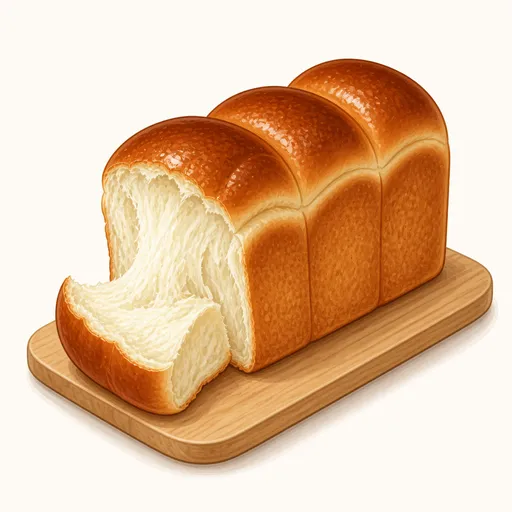
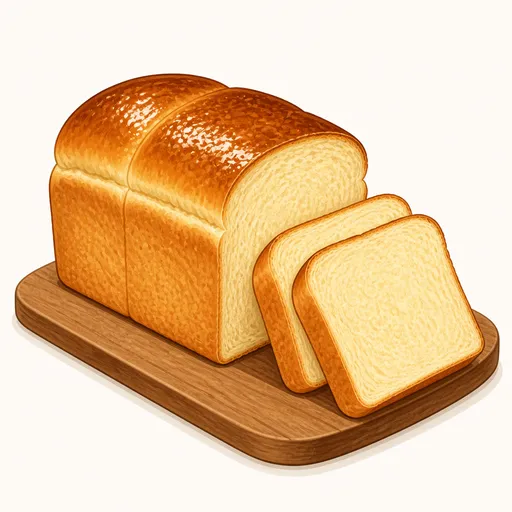
Potato bread is famous for its cloud-soft, pale yellow crumb that stays moist for days. Starch from the mashed potatoes and their cooking water helps the dough hold on to moisture, so this loaf is much softer than ordinary sandwich bread. Use it for sandwiches or garlic toast, or serve it alongside a bowl of hot soup.
- Difficulty
- Easy
- Prep
- 40 min
- Cook
- 40 min
- Rising or chilling
- 2 hr 30 min
- Total time
- 3 hr 50 min
- Method
- Oven-baked
Ingredients
Potatoes
Dough
Butter glaze
Instructions
Step 1
Peel 200 g potatoes, cut them into small pieces about two centimeters across and boil them in a pot of water over medium heat for about fifteen minutes. Small pieces cook quickly and evenly all the way through. The potatoes are done when a chopstick slides in easily and there's no hard core left.
Step 2
Lift the potatoes out, saving 160 g potato cooking water, then press the potatoes through a sieve or masher until very smooth and let both cool until just lukewarm. The cooking water carries potato starch that makes the crumb softer and moister than plain water would. The potatoes are ready when they're as smooth as cream, with no lumps, and about 35°C.
Step 3
Put 450 g bread flour, 25 g granulated sugar and 7 g instant yeast in the mixer bowl, add the mashed potatoes, the cooking water and 50 g eggs, mix on low speed, then sprinkle in 9 g salt. Adding the potatoes with the flour from the start spreads the potato starch evenly through the dough. Switch to kneading once the dough has come together and there's no dry flour left at the bottom of the bowl.
Step 4
Knead on medium speed for about five minutes, then add 40 g softened unsalted butter in two additions and knead for about seven minutes more. Adding the butter once the gluten has formed keeps the crumb soft yet stretchy. The dough is ready when it's soft, smooth, slightly sticky and stretches into a thin, almost translucent windowpane.
Step 5
Place the dough in an oiled bowl, cover with plastic wrap and leave it somewhere warm for about an hour. Potatoes are great food for yeast, so the dough often rises faster than you'd expect. It's done when the dough has doubled, the top is puffed and round and it feels very soft to the touch.
Step 6
Punch down the dough, divide it into three equal pieces, shape each into a ball and set the three balls side by side in a buttered loaf pan. Dividing the dough into balls helps the loaf rise evenly and gives it a pretty, bumpy top. This step is done when the three balls are taut and snug against each other in the pan.
Step 7
Cover with a towel and let it rise for about 45 minutes more, turning the oven on to 190°C when about twenty minutes remain. The dough needs this second rise for the balls to grow into each other. It's ready when the highest point has risen about two centimeters above the rim of the pan.
Step 8
Bake on the middle rack of a 190°C oven for about 33 to 38 minutes, covering with foil if the top darkens after twenty minutes. The sugar and egg make the crust brown fairly quickly, so keep an eye on the top. The bread is done when the crust is evenly golden brown and the center of the crumb reaches about 90°C.
Step 9
As soon as the bread comes out of the oven, brush 10 g melted unsalted butter all over the top. The butter soaks into the hot crust and keeps it soft instead of hard and dry. You're done when the top is evenly glossy and the butter has fully soaked in.
Step 10
Turn the bread out of the pan after five minutes and let it cool completely on a rack for about an hour. Potato bread has a very soft crumb that squashes easily if you slice it while hot. Slice it once the bottom has cooled and the crumb springs back when pressed.
Equipment
- Oven
- Loaf pan
- Small saucepan
- Sieve
- Stand mixer
- Kitchen scale
- Mixing bowl
- Plastic wrap
- Pastry brush
- Wire cooling rack
Tips
- Use starchy, floury potatoes such as yellow-fleshed Da Lat potatoes or Yukon Golds, since they mash smoothly and give a fluffier crumb than waxy potatoes.
- You can use leftover mashed potatoes from an earlier meal, as long as they don't contain pepper, garlic or too much butter.
- Potato dough is stickier than regular dough, so rub a little oil on your hands when dividing it instead of adding more flour.
Storage
Potato bread stays soft at room temperature for up to four days in a sealed bag. You can slice and freeze it for up to a month, then thaw it at room temperature or toast it straight from the freezer.
Common problems and how to fix them
- The dough is too sticky to knead into a smooth ball.
- The potatoes may have held too much water, or they were a waxy variety. Let the potatoes steam dry before mashing, and knead a few minutes longer to strengthen the gluten instead of adding lots of flour.
- The crumb has lumpy bits of potato in it.
- The potatoes weren't mashed smoothly enough. Next time, press them through a sieve while still hot, when they're fluffiest and easiest to mash.
This recipe is based on the common ratios for this bake and is written entirely in our own words.