Brioche
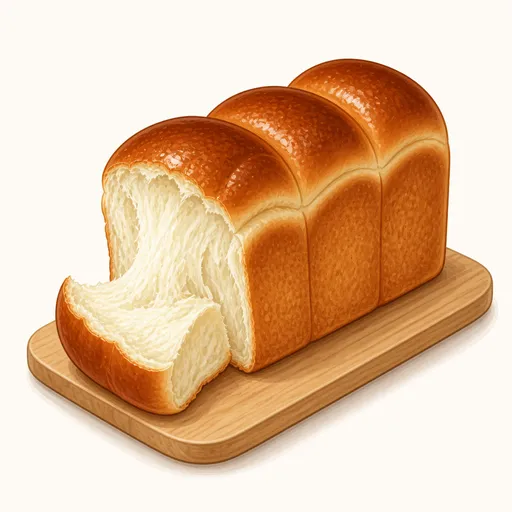
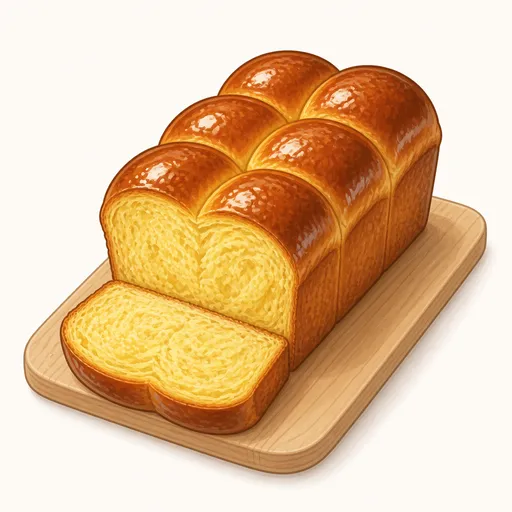
Brioche is France's butter- and egg-rich bread, with a golden crumb as soft as cotton that pulls apart in feathery strands and a thin, shiny, honey-brown crust. The dough rests overnight in the fridge, which makes it easier to shape and more flavorful, and the bread is wonderful with jam, as French toast or as burger buns.
- Difficulty
- Hard
- Prep
- 45 min
- Cook
- 35 min
- Rising or chilling
- 12 hr
- Total time
- 13 hr 20 min
- Method
- Oven-baked
Ingredients
Brioche dough
Egg wash
Instructions
Step 1
Put 500 g bread flour, 60 g granulated sugar and 7 g instant yeast in a stand mixer bowl, sprinkle 10 g salt on the side opposite the yeast, add 300 g cold eggs and 60 g whole milk, then knead with the dough hook on low speed for about ten minutes. The dough needs strong gluten before the butter goes in, or the butter will turn it into a sticky mess. The dough is ready when it clings to the hook, pulls away from the sides of the bowl and stretches into a thin windowpane.
Step 2
Cut 250 g soft but still cool unsalted butter into small pieces and add them one at a time with the mixer on medium speed, waiting for each piece to disappear before adding the next, kneading for about ten minutes in total. Adding the butter gradually lets it work into the gluten network without breaking the dough. The dough is ready when it's silky, glossy and soft and still stretches into a thin windowpane without tearing.
Step 3
Shape the dough into a ball, place it in a clean bowl, cover with plastic wrap and let it rise at room temperature for about ninety minutes. The first rise wakes up the yeast and develops flavor. The dough is ready when it has grown about one and a half times and the surface looks slightly puffy.
Step 4
Press the dough down gently to release some gas, fold it into a ball, wrap it tightly and refrigerate for at least eight hours or overnight. The butter in the dough firms up, so you can divide and shape it without it sticking. The dough is ready when it feels firm, is evenly cold and has risen a little more.
Step 5
Butter two loaf pans, divide the cold dough into twelve equal pieces, roll each one into a tight, smooth ball and place six in each pan in two rows. Rolling the balls taut makes the sections rise into plump rounds with a pretty pattern. The pans are ready when the balls sit close together, all the same size, with smooth surfaces.
Step 6
Cover the pans loosely with plastic wrap and let them rise somewhere warm for about two to two and a half hours, avoiding anywhere so hot that the butter melts out. Cold dough needs a long time to warm up and fill the pans. The dough is ready when it has risen almost to the rim, the balls are touching and it jiggles slightly when you shake the pan.
Step 7
When the dough is nearly risen, preheat the oven to 180°C with a rack just below the middle. Brioche is rich in sugar and butter and browns easily, so a lower position keeps the top from burning before the center is baked. The oven is ready after heating for about twenty minutes.
Step 8
Beat 50 g eggs with 10 g whole milk, gently brush a thin layer over the loaves with a soft brush, wait five minutes, then brush on a second layer. Two thin coats give a deep shine without deflating the dough. The tops are ready when they're evenly coated with glossy egg wash and there are no puddles in the crevices.
Step 9
Bake at 180°C for 30 to 35 minutes, laying a sheet of foil over the top after twenty minutes if it's browning too fast. Brioche needs to bake through in the middle so the crumb isn't damp. The bread is done when the top is honey brown, the bottom sounds hollow when tapped and the center reaches about 90°C.
Step 10
Leave the loaves in the pans for about ten minutes, then turn them out onto a rack and wait about twenty minutes more before slicing. Hot brioche is very soft and easily squashed when cut. It's ready when just slightly warm and a serrated knife reveals an evenly airy crumb.
Equipment
- Oven
- Stand mixer
- Loaf pan
- Kitchen scale
- Bench scraper
- Pastry brush
- Plastic wrap
- Wire cooling rack
- Thermometer
- Refrigerator
Tips
- Keeping the dough cool while kneading is the single most important secret; if the bowl starts to feel warm, put the whole bowl in the fridge for fifteen minutes, then carry on kneading.
- You can use the same dough to make little topknot brioches in fluted molds; just cut the baking time to about fifteen minutes.
- Day-old brioche makes a fantastic base for French toast.
Storage
Wrap the bread tightly in a plastic bag and it will keep at room temperature for about three days. You can slice and freeze it for up to two months, then toast the slices straight from the freezer without thawing.
Common problems and how to fix them
- The dough turns soupy and butter oozes out while kneading.
- The dough got too warm and the butter melted. Stop kneading, chill the dough for about twenty minutes, then continue on medium speed.
- The crumb is dense, barely risen and a little damp in the middle.
- The second rise was too short or the bread wasn't fully baked. Wait until the dough rises almost to the rim of the pan, and check the internal temperature with a thermometer before taking it out.
This recipe is based on the common ratios for this bake and is written entirely in our own words.