Vanilla Bundt cake
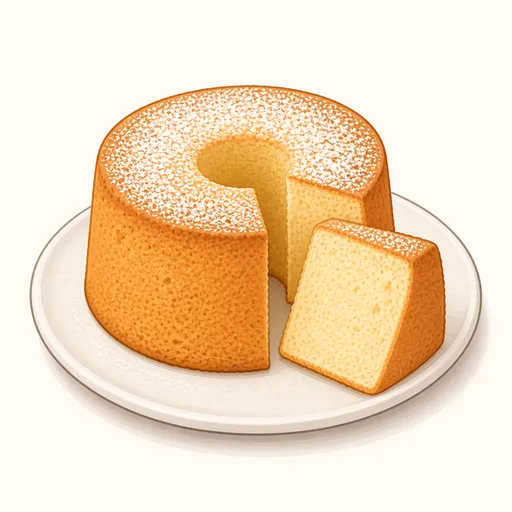
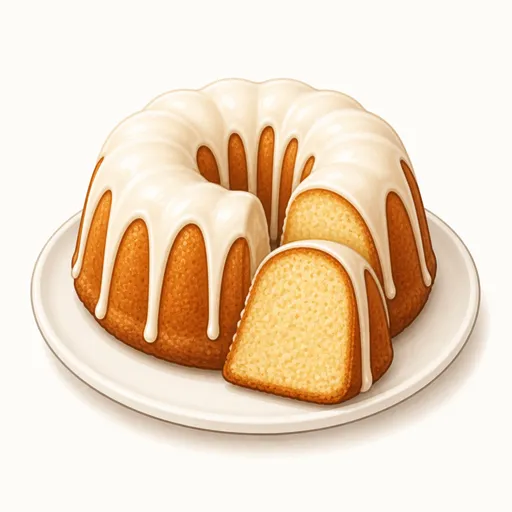
A vanilla Bundt cake is baked in a fluted Bundt pan with a hole in the middle, so it bakes evenly from the inside out and comes out beautifully shaped. The crumb is moderately dense, soft and moist thanks to buttermilk, and full of vanilla flavor. A white glaze dripping down the ridges makes it look like it just came from a bakery.
- Difficulty
- Easy
- Prep
- 25 min
- Cook
- 55 min
- Rising or chilling
- 1 hr 30 min
- Total time
- 2 hr 50 min
- Method
- Oven-baked
Ingredients
For the cake batter
For preparing the pan
For the glaze
Instructions
Step 1
Heat the oven to 170°C, then use a pastry brush to paint to taste softened unsalted butter into every groove of the Bundt pan, sprinkle in to taste all-purpose flour, turn the pan to coat it completely and tap out the excess. A Bundt pan has lots of nooks and edges, so the cake sticks easily if it isn't greased thoroughly. The pan is ready when every groove is coated in a thin, opaque white layer of flour.
Step 2
Sift 375 g all-purpose flour with 8 g baking powder, 2 g baking soda and 4 g salt into a separate bowl and stir well. Mixing the dry ingredients first spreads the leaveners evenly so the cake doesn't get large air holes. The mixture is ready when it's fine, loose and evenly colored.
Step 3
Put 225 g unsalted butter softened at room temperature in a stand mixer, beat it until loose, then add 350 g granulated sugar and beat for about five minutes more on medium speed. Creaming the butter with sugar creates countless tiny air bubbles, the foundation of a soft crumb. The butter is ready when it turns ivory, light and fluffy and has clearly grown in volume.
Step 4
Beat 200 g eggs with 10 g vanilla extract, then pour it slowly into the butter with the mixer running, waiting for each addition to blend in fully before adding more. Adding the eggs slowly keeps the mixture from curdling and clumping. The mixture is ready when it's smooth and glossy and clings evenly to the sides of the bowl.
Step 5
Turn the mixer down to its lowest speed and add the dry ingredients and 240 g buttermilk alternately, starting and ending with the dry ingredients, then scrape the bowl with a flat spatula. Adding them alternately lets the flour absorb the liquid gradually without long mixing that would make the cake tough. The batter is ready when the last dry streaks have just disappeared and it's thick and smooth as cream.
Step 6
Spoon the batter into the pan, smooth the top and tap the pan on the counter a few times, then bake at 170°C for about 50 to 60 minutes. Tapping the pan helps the batter fill every groove so the pattern comes out crisp. The cake is done when the top is golden brown, the edges pull slightly away from the pan and a skewer inserted into the thickest part comes out clean.
Step 7
Let the cake rest in the pan for exactly ten minutes, then turn it out onto a rack, lift off the pan and let the cake cool completely, about an hour and a half. Too short a rest and the cake breaks easily; too long and the sugar in the cake sticks fast to the pan. The cake is ready when the bottom no longer feels warm to the touch.
Step 8
Stir 120 g powdered sugar with 25 g whole milk and 2 g vanilla extract into a thick glaze, then spoon it along the top of the cake so it runs down the grooves. Glazing once the cake is cool keeps the glaze from melting and soaking into the crumb. The glaze is ready when it runs in slow drips and dries to an opaque white layer after about twenty minutes.
Equipment
- Oven
- Bundt pan
- Stand mixer
- Spatula
- Sieve
- Mixing bowl
- Kitchen scale
- Pastry brush
- Wire cooling rack
Tips
- If you don't have buttermilk, stir a tablespoon of lemon juice into whole milk and let it sit for ten minutes until slightly curdled, then use it instead.
- All the ingredients should be at room temperature, because cold eggs or milk will make the butter seize up and the mixture split.
- You can scrape the seeds from half a vanilla bean into the butter for tiny black flecks and a stronger aroma.
Storage
The cake stays moist at room temperature for three days if kept covered under a cake dome or in plastic wrap. You can slice it, wrap each piece and freeze for up to a month; just thaw at room temperature before serving.
Common problems and how to fix them
- The cake sticks to the pan and breaks when you turn it out.
- The grooves of the pan weren't greased thoroughly or the cake sat in the pan too long. Brush butter carefully into every corner and turn the cake out after exactly ten minutes.
- The crumb has tunnels and large air holes.
- The batter was mixed too long after the dry ingredients went in. Mix on the lowest speed and stop as soon as the last dry streaks disappear.
- The bottom of the cake is dense and wet.
- The butter and sugar weren't creamed fluffy enough or the eggs curdled the mixture. Cream the butter for the full five minutes and add the eggs very slowly.
This recipe is based on the common ratios for this bake and is written entirely in our own words.