Ricotta cheesecake
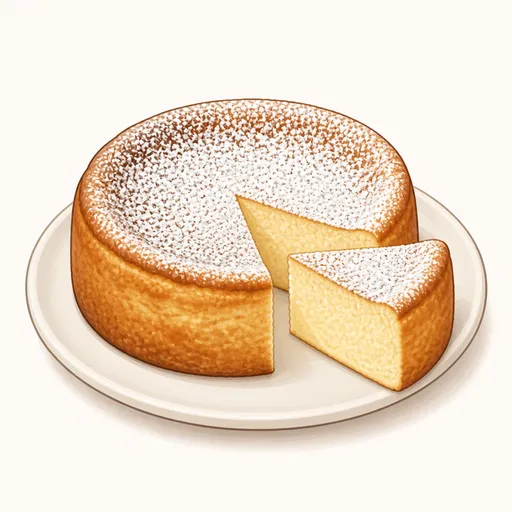
An Italian ricotta cheesecake is much lighter and airier than an American cheesecake, with a fresh citrus fragrance and the clean, milky flavor of ricotta. It has no crust, just a single smooth, pale golden layer dusted with powdered sugar, and it's a familiar sight on the Italian Easter table.
- Difficulty
- Easy
- Prep
- 25 min
- Cook
- 1 hr 10 min
- Rising or chilling
- 7 hr
- Total time
- 8 hr 35 min
- Method
- Oven-baked
Ingredients
Preparing the pan
Ricotta filling
Finishing touch
Instructions
Step 1
Set a sieve over a bowl, line it with cheesecloth or paper towels, add 750 g ricotta, cover and chill in the fridge for about two hours. Ricotta holds a lot of water, and if you don't drain it the cake will turn soggy and weep. It's ready when there is a layer of clear liquid in the bottom of the bowl and the cheese in the sieve is drier and thicker.
Step 2
Preheat the oven to 165°C with a rack in the middle. A moderate temperature cooks the ricotta filling evenly without puffing it up too high. The oven is ready when the heating light switches off for the first time.
Step 3
Brush to taste softened unsalted butter all over the bottom and sides of a 23 cm springform pan, then line the bottom with a round of parchment paper. With no crust, the butter is what lets the filling release cleanly from the pan. The pan is ready when the sides are evenly glossy and the parchment lies flat on the bottom.
Step 4
Press the drained ricotta through a sieve with the back of a spoon to break up the curds, then mix it with 250 g mascarpone. Ricotta is naturally lumpy, and sieving it well makes the cake smooth while keeping it light. The mixture is ready when it is as smooth as sour cream with no curds left.
Step 5
Add 200 g granulated sugar, 30 g all-purpose flour, a pinch salt, 6 g lemon zest, 4 g orange zest and 5 g vanilla extract to the cheese and beat on low speed. The citrus zest gives the cake its classic Italian aroma and lightens the richness. The mixture is ready when the sugar has nearly dissolved and flecks of zest are spread evenly throughout.
Step 6
Add 250 g eggs one at a time, beating each for about ten seconds until fully blended before adding the next. The eggs give a ricotta cake its light rise, but beating too hard makes it puff up and then sink. The filling is ready when it is smooth and runny, about as thick as drinkable yogurt.
Step 7
Pour the filling into the pan, set it on a baking sheet and bake at 165°C for 60 to 70 minutes, until the top is pale golden and the edges are a deeper gold. An Italian-style cheesecake doesn't need a water bath, and a lightly browned top is part of its charm. It's done when the center only wobbles very slightly as you jiggle the pan and a skewer inserted near the middle comes out almost clean.
Step 8
Turn off the oven, prop the door open slightly and let the cake rest inside for an hour. A ricotta cake sinks a little as it cools, and cooling it slowly helps it settle evenly without deep cracks. It's ready when the top has leveled out and the pan is only slightly warm.
Step 9
Cover the pan and chill it in the fridge for at least four hours before unmolding. Chilling firms up the filling and lets the citrus flavors meld. It's ready when a knife run around the inside of the pan releases the cake cleanly and it stands firm.
Step 10
Remove the ring, transfer the cake to a plate and sift to taste powdered sugar over the top in a thin layer just before serving. The sugar hides the natural browning and gives the cake its rustic Italian look. It's finished when the top is smooth and white like fresh snow.
Equipment
- Oven
- Springform pan
- Baking sheet
- Sieve
- Hand mixer
- Spatula
- Kitchen scale
- Mixing bowl
- Parchment paper
- Refrigerator
Tips
- Choose whole-milk ricotta; low-fat versions make the cake dry and bland.
- For a Sicilian touch, soak a handful of raisins in rum and scatter them into the filling before baking.
- If you'd like a crust, press a layer of buttered cookie crumbs into the bottom and prebake it for ten minutes before adding the filling.
Storage
Covered, the cake keeps for four days in the fridge. Only dust it with powdered sugar right before serving, because in the fridge the sugar absorbs moisture and dissolves into the top.
Common problems and how to fix them
- The cake weeps liquid at the bottom and the filling is soggy.
- The ricotta wasn't drained long enough. Leave it in the sieve for at least two hours, or overnight if the cheese is very wet.
- The texture is grainy, like curds.
- The ricotta wasn't sieved smooth or the cake was baked too hot. Sieve the cheese thoroughly and use an oven thermometer to keep the temperature at exactly 165°C.
This recipe is based on the common ratios for this bake and is written entirely in our own words.