Pound cake
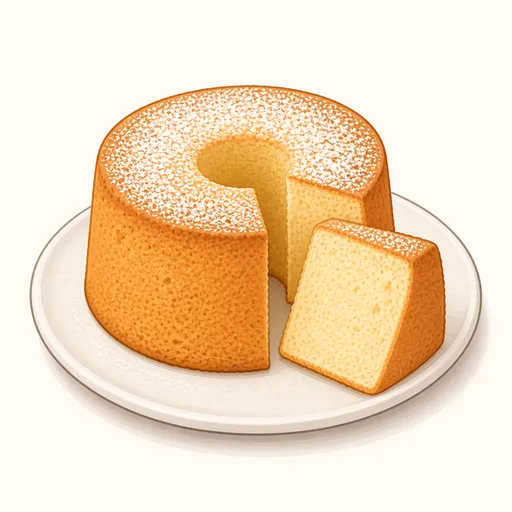
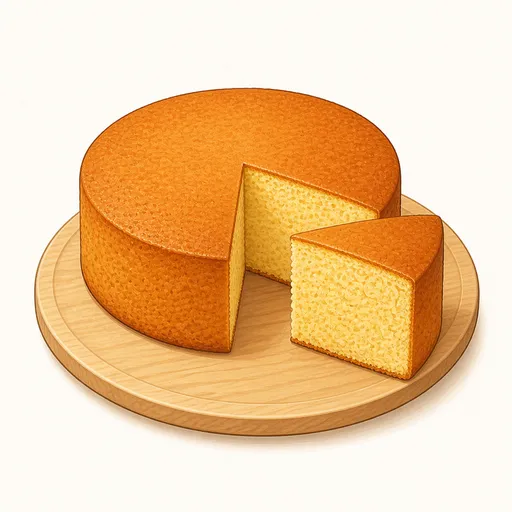
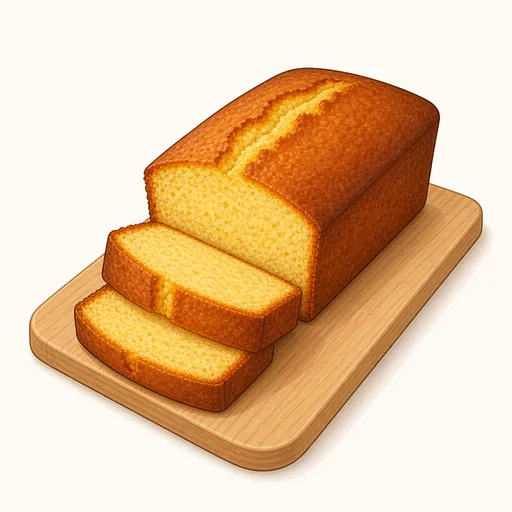
Pound cake is a classic made with equal parts butter, sugar, eggs and flour. Its crumb is tight, fine and deeply buttery, while the golden-brown crust is slightly crisp, with the signature crack running down the length of the top.
- Difficulty
- Easy
- Prep
- 25 min
- Cook
- 1 hr 5 min
- Rising or chilling
- 1 hr 15 min
- Total time
- 2 hr 45 min
- Method
- Oven-baked
Ingredients
Cake batter
Pan prep
Instructions
Step 1
Preheat the oven to 165°C, grease an 11 by 23 cm loaf pan with to taste unsalted butter and line it with a strip of parchment paper running the length of the pan. Leaving the paper hanging over two sides lets you lift the cake out easily. The pan is ready when the butter coats every corner and the paper sits flat against the bottom.
Step 2
Put 225 g unsalted butter softened to room temperature in a bowl and beat it with 225 g superfine sugar and a pinch salt using a mixer on medium speed for about five minutes. Creaming butter with sugar creates countless tiny air bubbles, and that's what makes the cake rise. The mixture is ready when it has turned ivory white, light and fluffy and visibly increased in volume.
Step 3
Beat 225 g eggs with 5 g vanilla extract, then add them to the butter a little at a time, beating well after each addition. The eggs should be at room temperature and added slowly so the mixture doesn't curdle. The mixture is ready when it's silky smooth and glossy, with no grainy, curdled look.
Step 4
Sift 225 g all-purpose flour with 3 g baking powder and add it to the bowl in three additions, alternating with 30 g whole milk, mixing with the paddle on the lowest speed. Minimal mixing keeps the crumb fine rather than dense and tough. The batter is ready as soon as the streaks of dry flour disappear and it's thick and smooth like buttercream.
Step 5
Spoon the batter into the pan, smooth the top, then use a flat spatula to make a shallow groove down the middle. This groove helps the cake crack neatly and straight down the center instead of splitting at random. The pan is ready when it's about two-thirds full, with a level top and a gentle groove.
Step 6
Bake on the middle rack at 165°C for about 55 to 65 minutes. A moderate temperature bakes the cake through to the center before the crust gets too dark. It's done when the crack on top looks dry and golden and a skewer inserted in the center comes out with just a few small crumbs.
Step 7
Set the pan on a rack and let the cake rest in it for about 15 minutes. The hot cake is very tender, and resting in the pan lets the crumb set so it doesn't break when you take it out. It's ready when the sides of the pan are still warm and the edges of the cake have pulled away slightly.
Step 8
Grab the two edges of the parchment paper to lift the cake out, set it on a rack and let it cool completely for about an hour. Letting the heat escape evenly from all sides keeps the crust from turning damp. It's ready when the bottom no longer feels warm.
Step 9
Use a serrated knife to cut the cake into slices about one and a half centimeters thick with gentle sawing strokes. Sawing instead of pressing down keeps the slices from squashing. The slices are perfect when the cut face is pale golden, with small, even air holes and a moist, fine texture.
Equipment
- Oven
- Loaf pan
- Stand mixer
- Spatula
- Sieve
- Mixing bowl
- Kitchen scale
- Parchment paper
- Wire cooling rack
Tips
- The butter and eggs must both be at room temperature, because cold ingredients make the mixture separate and the cake heavy.
- You can add grated lemon zest to the butter and sugar for a fresher aroma.
- If the top browns too quickly, lay a loose sheet of foil over it for the last twenty minutes.
Storage
Wrapped tightly in plastic wrap, the cake keeps at room temperature for three days, and the crumb gets moister and more flavorful each day. You can also slice it, wrap each slice and freeze for up to two months.
Common problems and how to fix them
- The crumb has a dense, wet streak near the bottom.
- The butter and sugar weren't creamed enough, or the eggs made the mixture curdle. Cream the butter and sugar longer and add the eggs very slowly, with all ingredients at room temperature.
- The cake is dry and crumbly.
- It baked too long or the flour was overmixed. Start checking five minutes earlier and stop mixing as soon as the dry streaks disappear.
This recipe is based on the common ratios for this bake and is written entirely in our own words.