Pineapple upside-down cake
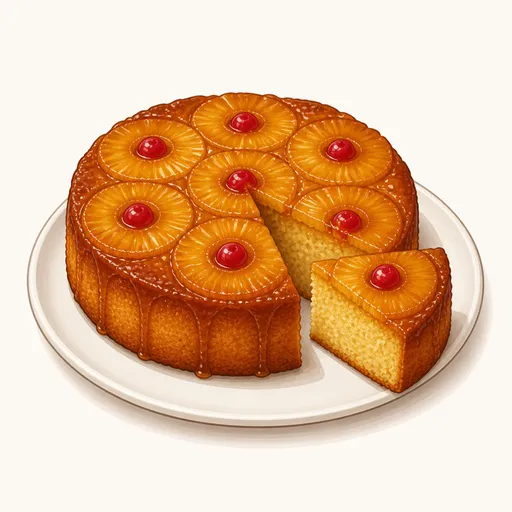
Pineapple upside-down cake bakes with a layer of pineapple and brown sugar on the bottom of the pan, so when you flip it out, the glistening caramelized fruit sits right on top. The tender butter cake underneath is lightly sweet-tart from the pineapple juices that soak into it, and it's lovely served warm with a cup of hot tea.
- Difficulty
- Easy
- Prep
- 25 min
- Cook
- 45 min
- Rising or chilling
- 20 min
- Total time
- 1 hr 30 min
- Method
- Oven-baked
Ingredients
Caramel pineapple layer
Butter cake batter
Instructions
Step 1
Preheat the oven to 175°C with a rack in the middle, letting it heat through while you prepare the pineapple layer. A steady temperature from the start helps the cake rise evenly and keeps the caramel on the bottom from staying raw. The oven is ready when the heating light goes off.
Step 2
Melt 55 g unsalted butter in a small saucepan over medium heat, add 100 g brown sugar and stir constantly for about two minutes, then pour it straight into the bottom of a 23 cm round cake pan and spread it flat. This butter and sugar layer turns into caramel in the oven and clings to the pineapple. It's ready when the sugar has almost completely dissolved, thickened and is bubbling gently.
Step 3
Pat 320 g fresh pineapple rings dry with paper towels and arrange them snugly over the caramel, placing 35 g pitted cherries in the center of each ring if you're using them. Well-drained pineapple keeps the caramel from thinning out and the cake from turning soggy. The bottom of the pan is ready when it's almost completely covered with fruit.
Step 4
Put 115 g softened unsalted butter and 150 g granulated sugar in a bowl and beat with a mixer on medium speed for about three minutes. This step beats air into the butter for a light, fluffy cake. The butter is ready when it turns ivory white and is fluffy and smooth like whipped cream.
Step 5
Add 100 g eggs one at a time along with 5 g vanilla extract, beating well after each addition. Adding the eggs gradually keeps the mixture from curdling. The batter is ready when it's silky, glossy and free of lumps.
Step 6
Sift 190 g all-purpose flour with 6 g baking powder and 2 g salt, then add it to the bowl alternately with 120 g whole milk, beginning and ending with the flour, mixing on the lowest speed. Adding it in portions lets the flour absorb the milk evenly without turning tough. Stop as soon as the last streaks of dry flour disappear.
Step 7
Spoon the batter over the pineapple, starting at the edge of the pan and gradually spreading it toward the center with a flat spatula so you don't knock the fruit out of place. A level layer of batter bakes evenly and gives a smooth top once the cake is flipped. This step is done when the batter covers the pineapple completely and is fairly level.
Step 8
Bake at 175°C for about 40 to 50 minutes, laying a loose sheet of foil over the top if it browns too quickly. The heavy, juicy fruit layer means this cake needs longer in the oven than a regular butter cake. It's done when the top is golden brown, springs back when pressed lightly and a skewer inserted in the center comes out clean.
Step 9
Let the cake rest in the pan for about ten minutes, run a knife around the sides, place a plate over the pan and flip it over in one confident motion. If you wait too long, the caramel will harden and stick firmly to the bottom of the pan. It's done when the pineapple layer sits neatly on top with the caramel trickling gently down the sides.
Equipment
- Oven
- Round cake pan
- Small saucepan
- Hand mixer
- Mixing bowl
- Spatula
- Sieve
- Kitchen scale
Tips
- Fresh pineapple gives a brighter tang, while canned pineapple gives perfectly even rings; whichever you use, pat it very dry before arranging it.
- If a few pineapple rings stick in the pan after flipping, just lift them out and set them back in place on the cake while it's still warm.
- You can replace some of the milk with pineapple juice for a fruitier cake.
Storage
The cake is best on the day it's baked, while still slightly warm. Cover any leftovers tightly and refrigerate for up to three days, then warm a slice in the microwave for about twenty seconds to soften the caramel again.
Common problems and how to fix them
- The pineapple sticks firmly to the bottom of the pan when you flip the cake.
- The cake cooled too long and the caramel hardened. Next time, flip it after about ten minutes, or set the pan over low heat on the stove for a few seconds to melt the caramel before flipping.
- The cake right next to the pineapple layer is wet and soggy.
- The pineapple was still too juicy or the cake wasn't baked through to the bottom. Pat the pineapple drier and bake for an extra five to ten minutes, testing with a skewer that reaches close to the bottom.
This recipe is based on the common ratios for this bake and is written entirely in our own words.