Olive oil cake
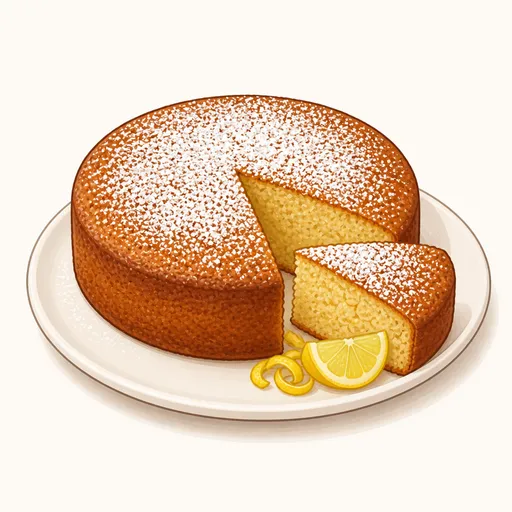
Olive oil cake is a rustic Mediterranean cake that uses olive oil instead of butter, so the crumb is moist and tender and stays silky for days. Orange and lemon zest soften the oil's gentle bitterness, making a fragrant, refreshing cake that isn't too sweet and comes together with just a whisk.
- Difficulty
- Very easy
- Prep
- 20 min
- Cook
- 45 min
- Rising or chilling
- 30 min
- Total time
- 1 hr 35 min
- Method
- Oven-baked
Ingredients
Cake batter
Dusting
Instructions
Step 1
Preheat the oven to 175 degrees C, brush a thin layer of olive oil inside a 23 cm round cake pan and line the bottom with parchment paper. Olive oil on the sides of the pan gives the edge of the cake a crisp, fragrant crust. The oven is ready when it has held a steady temperature for about ten minutes.
Step 2
Put 200 g granulated sugar in a large bowl with 6 g grated orange zest and 3 g grated lemon zest, and rub the sugar and zest together with your fingertips for about one minute. The sugar grains scrape against the zest and release its oils, spreading citrus aroma all through the cake. The sugar is right when it is damp like wet sand, pale yellow and clearly fragrant.
Step 3
Crack 150 g eggs into the bowl of sugar and whisk for about three minutes. Whisking the eggs and sugar until slightly foamy gives the cake a gentle lift without needing an electric mixer. The mixture is right when it is paler, thicker and has a fine foam on top.
Step 4
Pour 160 g olive oil into the bowl in a thin stream while whisking steadily, then add 120 g whole milk and 40 g orange juice. Pouring the oil slowly lets it emulsify with the eggs instead of floating on top of the batter. The mixture is right when it is thick like a thin mayonnaise, uniform and free of oily streaks.
Step 5
Sift 200 g all-purpose flour with 7 g baking powder, 1 g baking soda and a pinch salt into the bowl and whisk gently just until combined. Minimal mixing keeps the cake tender rather than tough. The batter is right when no dry streaks remain and it is fairly thin, flowing easily off the whisk.
Step 6
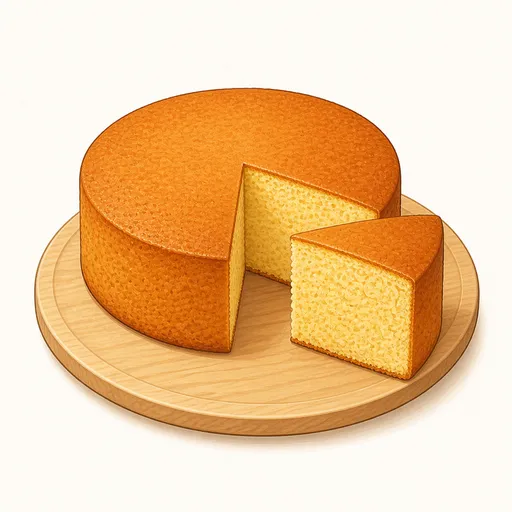
Pour the batter into the pan and bake at 175 degrees C for about 40 to 48 minutes. A batter rich in oil and liquid needs to bake long enough for the crumb to set while staying moist. The cake is done when the top is evenly golden brown, the edges are darker and a skewer inserted in the center comes out clean.
Step 7
Leave the cake in the pan for about 15 minutes, then run a knife around the sides, turn it out onto a rack and flip it right side up to finish cooling. Oil cakes are very tender while hot, so they need a rest in the pan to avoid breaking when turned out. The cake is ready when it is completely cool and the top feels dry to the touch.
Step 8
Sift to taste powdered sugar over the top of the cake just before slicing and serving. Dusting right before serving keeps the sugar from melting into the moist surface. The cake is right when the top is covered in a fine, snow-white layer and the cut crumb is pale yellow, moist and silky.
Equipment
- Oven
- Round cake pan
- Whisk
- Mixing bowl
- Sieve
- Kitchen scale
- Parchment paper
- Wire cooling rack
Tips
- Use a mild, fruity extra virgin olive oil; one with a strong peppery bitterness will make the cake taste harsh.
- The cake tastes even better the next day, once the citrus and olive oil flavors have melded.
- You can replace the milk with thinned yogurt for a slightly denser, moister crumb.
Storage
Wrapped tightly in plastic wrap, the cake stays moist and tender for three to four days at room temperature. There is no need to refrigerate it; you can also slice it, wrap each piece and freeze for up to a month.
Common problems and how to fix them
- The bottom of the cake has a dense, greasy layer.
- The oil was poured in too quickly and didn't emulsify with the eggs. Pour the oil in a very thin stream and whisk constantly until the mixture thickens.
- The cake has an unpleasant bitter taste.
- The olive oil was too harsh, or you grated the white pith of the citrus peel along with the zest. Choose a mild oil and grate only the colored outer layer of the peel.
This recipe is based on the common ratios for this bake and is written entirely in our own words.