Honey cake
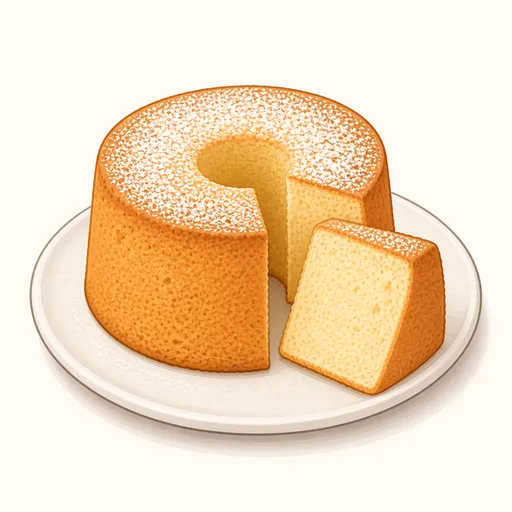
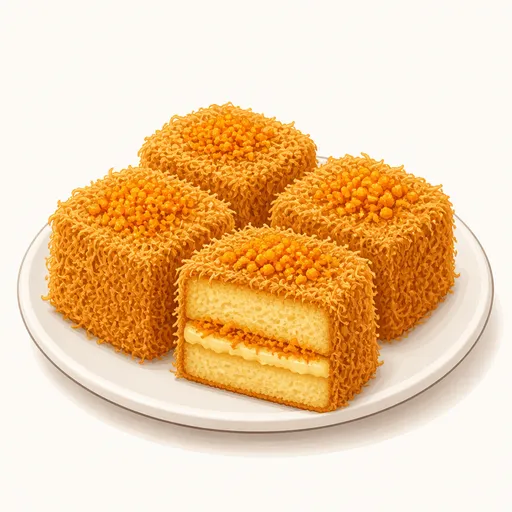
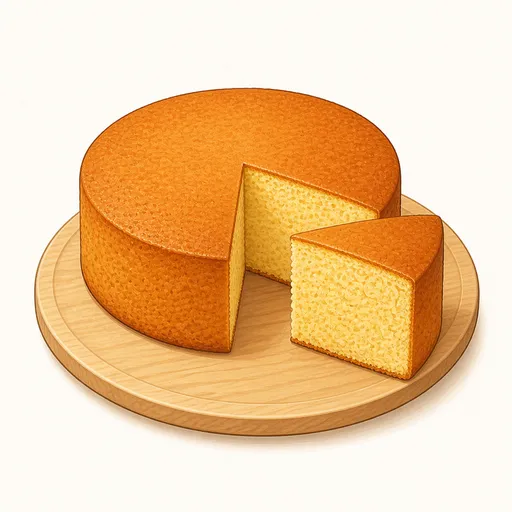
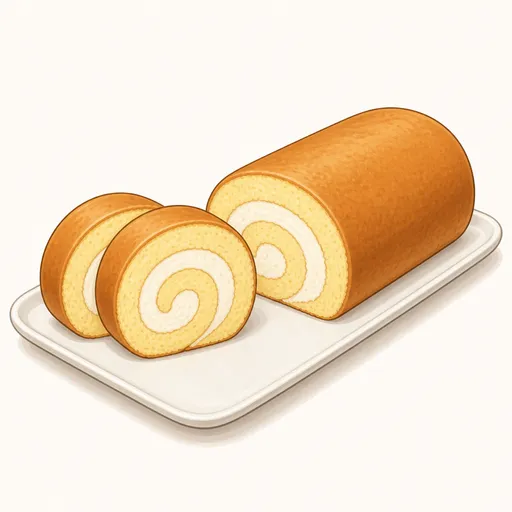
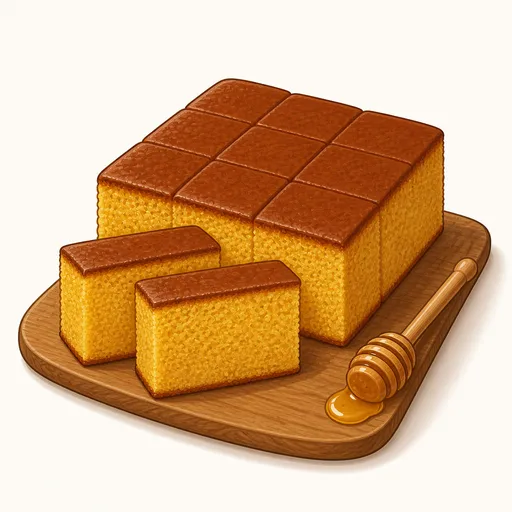
This honey cake is made with the whole-egg foaming method, which gives it a fine, tall, moist crumb with a lovely golden color and a shiny brown crust. Honey brings a gentle fragrance and keeps the cake moist for a long time, and the flavor gets even mellower after a night's rest.
- Difficulty
- Medium
- Prep
- 30 min
- Cook
- 40 min
- Rising or chilling
- 1 hr
- Total time
- 2 hr 10 min
- Method
- Oven-baked
Ingredients
Instructions
Step 1
Preheat the oven to 160°C with the rack in the middle so the cake gets even heat from top and bottom. Honey makes the crust brown easily, so a moderate temperature is essential. The oven is ready after about fifteen minutes of preheating.
Step 2
Cut parchment paper to fit the bottom of a 20 cm square pan and to stand about two centimeters above the sides, then line the bottom and all four sides. The parchment lets you lift the cake out easily without flipping it or scuffing the honey crust. The pan is ready when the paper lies flat, the corners are neatly folded, and there are no bulges.
Step 3
Put 250 g eggs, 80 g granulated sugar, 50 g honey and a pinch of salt in a bowl, set it over a pan of barely simmering water on low heat, and whisk steadily for about three minutes. Warmed eggs whip up faster and hold their foam much better. The mixture is ready when the sugar has fully dissolved and it feels as warm as bathwater when you dip in a finger.
Step 4
Take the bowl off the pan and beat with a mixer on high speed for about six minutes, then lower to low speed for two more minutes. The low-speed stage pops the large bubbles, leaving a fine, sturdy foam. The eggs are ready when they have tripled in volume, turned a creamy pale yellow, and a ribbon falling from the lifted beaters can draw a figure eight that holds for a few seconds.
Step 5
Sift 110 g cake flour over the egg foam in two additions, each time folding gently with a whisk by cutting through the center and sweeping up from the bottom. Sifting in two batches spreads the flour thinly so it doesn't crush the foam. The batter is ready when no dry flour remains and it still looks light and airy.
Step 6
Warm 40 g whole milk with 30 g unsalted butter until the butter melts. Stir a little of the batter into the milk and butter mixture, then pour it back into the large bowl and fold gently a few times. This keeps the heavy fat from sinking to the bottom and forming a dense layer. The batter is ready when it is smooth and glossy, with no streaks of butter on top or at the bottom of the bowl.
Step 7
Pour the batter into the lined pan, run a skewer through it a few times to break up large air bubbles, and bake at 160°C for about 35 to 40 minutes. The sugars in the honey caramelize into the signature shiny brown crust. The cake is done when the top is evenly golden brown, the edges pull slightly away from the paper, and it springs back when pressed.
Step 8
Drop the pan onto the counter from about a hand's height to keep the cake from shrinking, lift it out by the parchment, and let it cool on a rack for about an hour, then wrap it tightly in plastic wrap. Wrapping it just as it loses its warmth seals in moisture, so the crumb turns softer and more tender by the next day. The cake is ready when the bottom no longer feels warm.
Equipment
- Oven
- Square pan
- Small saucepan
- Hand mixer
- Whisk
- Spatula
- Sieve
- Kitchen scale
- Parchment paper
Tips
- Longan blossom or coffee blossom honey both give a lovely aroma; avoid honey with a very sharp flavor, since it will overpower the egg.
- Let the cake rest overnight in its wrap before slicing; the crumb will be noticeably moister and the honey flavor more mellow.
- Dip a serrated knife in hot water and wipe it dry before each cut for neat, square slices.
Storage
Wrapped tightly, the cake keeps for two to three days in a cool spot at room temperature and stays soft and moist thanks to the honey. There's no need to refrigerate it unless the weather is very hot; if you do, let it sit out for about thirty minutes before serving.
Common problems and how to fix them
- The top burns dark while the inside is still wet.
- The oven is too hot or the pan sits too high. Lower the heat to 150°C, move the rack down one level, and cover the top with foil once the crust has enough color.
- There is a dense, gummy layer at the bottom of the cake.
- The milk and butter or the flour weren't mixed in evenly and sank to the bottom. Next time, stir the milk and butter mixture into a little of the batter first, then fold that into the rest.
This recipe is based on the common ratios for this bake and is written entirely in our own words.