Classic butter cake
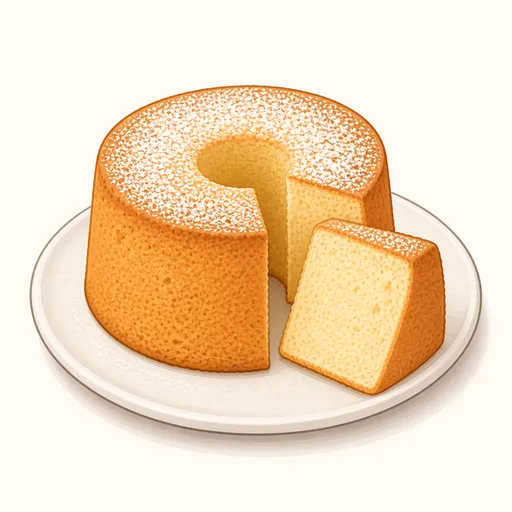
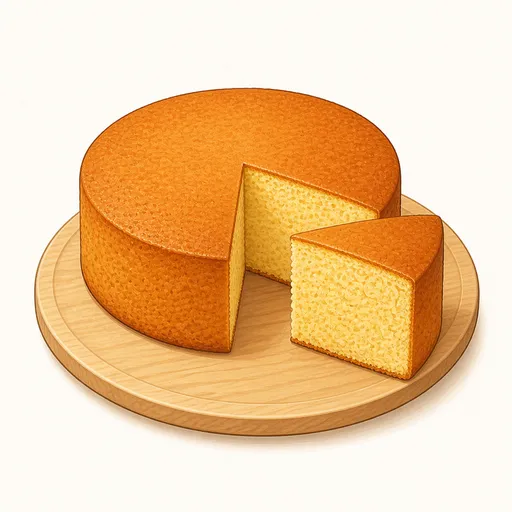
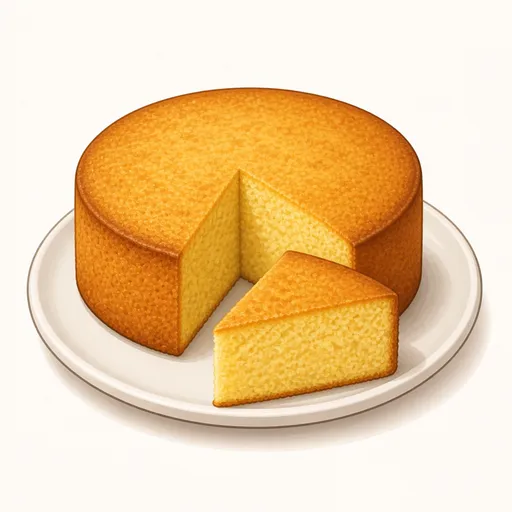
Classic butter cake is a foundation of every kitchen, with a golden, fine-textured crumb that smells wonderfully of butter. The secret lies in creaming the butter and sugar thoroughly so the cake rises naturally and turns out soft and tender. Enjoy it straight away with tea or use it as the base for a layer cake.
- Difficulty
- Easy
- Prep
- 25 min
- Cook
- 50 min
- Rising or chilling
- 1 hr
- Total time
- 2 hr 15 min
- Method
- Oven-baked
Ingredients
Instructions
Step 1
Take the butter and eggs out of the fridge about an hour ahead, then preheat the oven to 170 degrees Celsius and line a 22 cm round pan with parchment paper. Butter and eggs at the same room temperature blend together without separating. The butter is soft enough when a finger pressed into it sinks in easily but it is not yet oily.
Step 2
Beat 225 g unsalted butter with 225 g superfine sugar and 3 g salt on medium speed for about six minutes, stopping to scrape down the bowl once or twice. The long beating lets the sugar cut into the butter, creating lots of air bubbles that make the cake rise. The butter is ready when it is almost white, smooth and as fluffy as whipped cream.
Step 3
Add 200 g beaten eggs in five or six additions, beating well after each one, and finish with 6 g vanilla extract. Adding a little egg at a time helps the butter emulsify well and hold on to the air you have beaten in. The mixture is ready when it is glossy and silky with no sign of curdling or weeping.
Step 4
Sift 250 g cake flour with 8 g baking powder and add it to the bowl in three additions, alternating with 120 g whole milk in two additions, folding with a spatula. Mixing by hand gives you control and keeps the batter from being overworked. The batter is ready when it is smooth and thick and drops from the spatula in soft dollops.
Step 5
Pour the batter into the pan, use a spatula to make the top slightly lower in the center and higher at the edges, then bake at 170 degrees Celsius for about 45 to 50 minutes. Leaving a dip in the middle helps the cake rise flat instead of doming. The cake is done when the top is evenly golden, the edges pull away from the pan and a skewer comes out clean.
Step 6
Set the pan on a rack for ten minutes, run a knife around the sides, then turn the cake out, peel off the parchment and let it cool completely for about 60 minutes before cutting. A short rest in the pan lets the crumb settle without the crust sweating. The cake is ready when the bottom is dry and the crumb is evenly cool.
Equipment
- Oven
- Round cake pan
- Parchment paper
- Stand mixer
- Spatula
- Sieve
- Mixing bowl
- Kitchen scale
- Wire cooling rack
Tips
- You can replace some of the milk with orange juice and add grated orange zest for a fresh orange butter cake.
- To make the base for a two-layer cake, divide the batter between two 20 cm pans and reduce the baking time to about 28 to 32 minutes.
- Butter with a high fat content gives a more fragrant, golden cake; it is the ingredient that defines the flavor of this recipe.
Storage
Wrapped tightly, the cake keeps at room temperature for three days. Refrigerated cake firms up, so let it sit out for about thirty minutes or warm it gently before eating.
Common problems and how to fix them
- The crumb is heavy and dense with wet streaks.
- The butter was too soft or was not beaten long enough, so the batter lacked air. Use butter at a cool room temperature and beat for the full six minutes until it is almost white.
- The top cracks and domes up like a mountain.
- The oven was too hot, so the crust set before the inside had time to rise. Check the oven temperature with a thermometer and leave a dip in the center of the batter before baking.
This recipe is based on the common ratios for this bake and is written entirely in our own words.